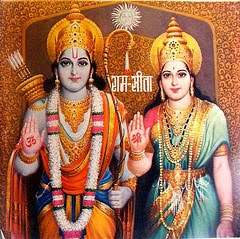
ശ്രീരാമാ! രാമ ! ശ്രീ രാമഭദ്ര ! ജയ !


ശ്രീരാമാ! രാമ ! ശ്രീ സീതാഭിരാമ ! രാമ !
ശ്രീരാമാ! രാമ ! ശ്രീ ലോകാഭിരാമ !ജയ !

ശ്രീരാമ ! മമ ഹൃദി രമതാം രാമാ ! രാമാ !

വരവേല്ക്കാന് രാമായണമാസത്തിന് നാളെ തുടക്കം.


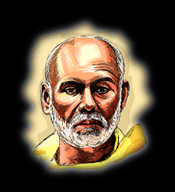
Sree Narayana Guru
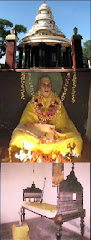
Aruvippuram Temple
Aruvippuram Post, Neyyattinkara, Tiruvananthapuram(Dist.), Kerala-695 124.
Puthiya Kavu Subrahmanya Temple
Vaikom post, Chirayinkeezhu Thaluk, Tiruvananthapuram Dist., Kerala- 695 308.
Vaikom Subrahmanya Temple (Velayudhan Nada)
Vaikom post, Chirayinkeezhu Thaluk, Tiruvananthapuram Dist., Kerala-695 308.
Vaikom Deveshwara Temple, (Vaikom Puthan Nada)
Vaikom Post, Chirayinkeezu Thaluk, Tiruvananthapuram Dist. ,Kerala-695 308.
Mannanthala Anandavalleshwaram Temple
Post.Mannanthala, Tiruvananthapuram Dist.,Kerala-695 015.
Aayiram Thengu Pattathil Temple
Chirayinkeezu Villege, Azheekal Post, Alappad Panchayath, (Via) Prayar, Kollam Dist., Kerala.
( ശ്രീ കാപലീശ്വര ക്ഷേത്രം )
Anchuthengu, Kadakkavoor Village, Kayikkara Post,
Tiruvananthapuram Dist.,Kerala
Poothotta Sree Narayana Vallabha Temple
Manakunnam,Post.Poothotta, Kanayanoor Thaluk, Ernakulam Dist, Kerala.
Sree Kulathoor Kolathukara Shiva Temple
Kulathoor Post, Tiruvananthapuram Dist. ,Kerala-695 583.
Vealikkattu Sree Narayanamangalam Kartikeya Temple
Thrukaruva Village, Kollam Thaluk, Kanjaveli Post, Kollam Dist., Kerala-691 602.
Kunninezath Sree Narayana Bhoovaneshwari Temple
Kozhikode,Ayanivelikunnu Village,S.V.M.Post,Karunagappalli Thaluk, Kollam Dt.,Kerala-690 573.
(Sree Dharmashastha Temple)
( ശ്രീ ധര്മശാസ്ത ക്ഷേത്രം ( യെറത്തു )
Sree Subrahmanya Swamy Temple
Vazhamuttam, Kunnumpara Post, Tiruvananthapuram-695027.
Nediyara Sree Subrahmanya Temple
Cherrai Post, Ernakulam Dist; Kerala-683514.
Sree Narayanamangalam Temple
Moothakunnam Post, North Paroor, Ernakulam Dist; Kerala-683516.
Sree Kumaramangalam Temple
Thrukkaruva Village, Prakkulam Post, Kollam Dist:, Kerala-691602.
Sree Kumaramangalam Subrahmanya Temple
Kumarakam Post, Kottayam Dist; Kerala-686563.
Vezhapra Shaktiparambu Temple
Vezhapra Post, (Via) Ramankari, Alappuzha Dist; Kerala-689600.
Sree Jagannatha Temple
Thalassery, Kerala-670 102.
Sree Ardhanareeshwara Temple
Kumbalangi Post, Kochi, Ernakulan Dist; Kerala-682007.
Sree Pillayar Kovil, Kottar
Kottar, Nagarkovil Dist; Kannyakumari-629002.
Sreekandeshwara Temple
Kozhikode,Kerala-673001.
Sree Gowreeshwara Temple
Cherai, Ernakulam Dist; Kerala-683514.
Sree Sharada Temple
Sivagiri, Varkala Post, Tiruvananthapuram Dist; Kerala-695141.
Kudroli Gokarnnanatha Temple
Mangalapuram, Karnataka-575003.
Sree Anandabhuteshwaram Temple
Mezhuveli Post, Kozhanchery, Pattanamthitta Dist; Kerala-689507.
Sree Vishweshwara Temple
West Yakkara, Palakkad Dist; Kerala-678001.
Sree Pottayil Devi Temple
Nadama Village, Earoor South Post, Kanayannur, Thrupunithura, Ernakulam Dist; Kerala-682306.
Sree Bhavaneeshwara Temple
Palluruthi, Kochi, Ernakulam-682005.
Nagambadam Sree Mahadevar Temple
S.H.Mount Post, Kottayam Dist; Kerala-686006.
ശ്രീ ഞാനെശ്വര ക്ഷേത്രം ( പുത്തന്നട ശിവ ക്ഷേത്രം )
Puthan Nada, Anjuthengu Post, Chirayinkeezhu Taluk, Tiruvananthapuram Dist; Kerala-695309
Sree Ardha Nareeshwara Temple
Ootuparambu, Kadakkavoor Post, Chirayinkeezhu Taluk, Tiruvananthapuram Dist; Kerala-695306.
Sree Sundareshwara Temple
Talaappu, Kannur-670 002.
Trissur Sree Maaheshwara Temple
Sreenarayanapuram, Koorkenchery Post, Trissur Dist; Kerala-680 007.
Sree Somasekharam Temple
Tannyam Village, Peringottukara Post, Trissur Dist; Kerala-680565.
Sree Subrahmanya Temple
Nellikkunnu, Beach Road Post, Kasarkode, Kerala-671 121.
Palakkunnu Sree Bhagavati Temple
Uduma Post, Kasarkode Dist; Kerala-670319.
Sree Narayaneshwaram Subrahmanya Temple
Vaikom, Chemmanathukara Post, Kottayam Dist; Kerala.
Sree Bhadrachala Subrahmanya Temple
Valappad, Post Edamuttam, Trissur Dist; Kerala-680 568.
Sree Chidambara Temple
Kandassamkadavu Post, Trissur Dist; Kerala-680613.
Sree Kalakandeshwaram Temple
Mundakkal Post, Murukkumpuzha, Tiruvananthapuram Dist; Kerala-695 302.
Sree Kandeshwaram Sree Mahadeva Temple
Post. Panaavalli,Cherthala Taluk, Alappuzha Dist; Kerala-688 526.
Sree Kumarapuram Temple
Mangad Post, Kollam Dist; Kerala-691015.
Manakkal Temple
Chempazanthi Post, Tiruvananthapuram Dist; Kerala-695587.
Sree Balasubrahmanya Temple
Vadakkanchery, Parlikkad Post, Talappilli Taluk, Trissur Dist; Kerala-680 606.
Edappadi Sree Ananda Shanmugham Temple
Bharananganam Village, Edappadi Post, Meenachal Taluk, Kottayam Dist; Kerala.
Aakalpantha Prashobhini Sree Subrahmanya Temple
Poonjar Thekkekara Village, Mankuzhi Post, Meenachal Taluk, Kottayam Dist; Kerala-686 582.
Sree Brahmapuram (Mathaanam) Temple
Vadayar, Thalayola Parambu Post; Vaikom Taluk, Kottayam Dist; Kerala-686 605.
Chernnamangalam Siva Temple
Koduvazhannoor Post, Pulimath Vazhi, Tiruvananthapuram Dist; Kerala-695612.
Sree Shakteeshwaram Temple
Vayalar Village, Kalavankodam Post, Chertala Taluk, Alappuzha Dist; Kerala-688586.
Ullala Omkareshwara Temple
Thalayazham Post, Vaikom Taluk; Kottayam Dist; Kerala-686 607.
Sree Nayinaar Deva Temple
Arumanoor, Tiruppuram Village, Poovar Post, Neyyattinkara Taluk, Tiruvananthapuram Dist; Kerala-695 525.
Sree Vishwanatha Temple
Manathala, Gurupadapuri, Chavakad Post, Trissur Dist; Kerala-680506.
Alamthuruthi Vallabhasseril Siva Temple
Alamthuruthi Post, Tiruvalla, Kerala-689 113.
Sree Sankara Narayana Temple
Koovappadi, Cheranellur, Edavoor Post, Ernakulam Dist; Kerala-683 544.
Katiravan Kunnu Sree Balasubrahmanya Swamy Temple
Vendar Post, Puthoor, Kottarakara, Kollam Dist; Kerala-691 507.
Pullazhi Sree Narayana Maheshwara Temple
Pullazhi Post, S.N.Road, Trissur Dist; Kerala-680 012.
Myladum Kunnu Bhajana Madom Subrahmanya Temple
Anappad, Cheenivila, Kuvalassery Post,Neyyattinkara, Tiruvananthapuram Dt, Kerala-695 512.
Kumarapuram Sree Subrahmanya Temple
Maannanam Post, Kottayam Dist; Kerala-686 561.
Sree Ghuhanandapuram Temple
Thekkumbhagam Village, Chavara South Post, Karunagappalli, Kollam Dist; Kerala-691 584.
Kuppana Sree Velayudhamangala Temple
Murindal.B.Ward, Anjalum Mood Post, Kollam Dist., Kerala.
Sree Amruthamkulangara Temple
Kollam Dist; Kerala.
Sreenarayaneshwaram Temple
Punnurunni, Poonithura, Vaittila Post, Ernakulam Dist; Kerala-682019
Thachankonam Bhuvaneshwari Temple
Thachankonam, Varkala, Tiruvananthapuram Dist; Kerala.
Oottara Sree Chidambaranatha Temple
Kanjiramkulam, Kazoor Post, Neyyattinkara Taluk, Tiruvananthapuram Dist; Kerala-695 526.
Sree Kalikulangara Temple
Nandyattukunnam, Vadakkan Paravoor Post, Ernakulam Dist; Kerala-683513.
Sanmargasandayini Sree Anandasayaneshwaram Temple
Kayippuram South, Muhamma Post, Cherthala Taluk, Alappuzha Dist; Kerala-688525.
Sree Shaktidhara Temple
Njarakkal Village &Post, Vaippin, Ernakulam Dist; Kerala-682505.
Thammandi Sree Kumaramangalam Temple
Truppunithura Thekumbhagam, Choorakkad Post, Kanayannur, Ernakulam Dist; Kerala-682301.
Sree Narayana Temple
Puliyannur, Meenachal, Kozhuvankulam Post, Kottayam Dist; Kerala-686584.
Sree Narayanapuram Temple
Aashraamam, Kollam Dist; Kerala.
Varkala Plavazhikam Temple
Nedunganda, Varkala, Tiruvananthapuram Dist; Kerala.
Shivadarshana Devaswom Temple
Pampadi,Pothanpuram Post, Kottayam Dist; Kerala-686 502.
Elankavu Sree Bhagavati Temple
Mullakkal, Chungam Post, Alappuzha Dist; Kerala-688040.
Sree Ganeshamangalam Temple
Vadanappilli Post, Trissur Dist; Kerala-680614.
Sree Suryanarayanapuram Temple
S.N.Puram Post, Pampadi, Kottayam Dist; Kerala-686502.
Sree Balasubrahmannya Temple
Kurichikara Post, Ponganamkadu, Trissur Dist; Kerala-680 028.
Dharmagiri Sree Subrahmanya Swamy Temple
Post Mala, Truthala, Palakad Dist; Kerala-679 534.
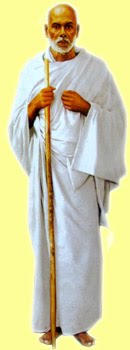
Sree Narayana Guru was an embodiment of all virtues, values and rare qualities seldom found in human race. He was a mystic, a philosopher, a visionary, a scientist, a social reformer and a poet, all blended into one. To millions of his devotees, Sree Narayana Guru is an incarnation of God. He was a saintly contemplative man who could impart wisdom and give enlightenment to a seeker of truth. His teachings are straightforward and simple, bringing out spiritual, moral and material revolution.
Sree Narayana Guru was born during India’s darkest phase. The British ruled the country and the Indian Culture was at its most decadent. The twists and turns given by the custodians of Hindu Religion to “Adwaita philosophy” and “Varnashrama” led Hindus into a caste ridden society, dividing man against man and degrading a vast section of society into “untouchables”. Religion lost its credibility as a spiritual binding force. Places of worship were the monopoly of so-called upper castes. The lower castes were denied entry into temples. They were forbidden to walk along the public roads. They were denied education and employment. They were not allowed to wear proper clothes to cover their nakedness. It was at this time of misery that the Guru was born as a harbinger of hope and succour, a crusader of freedom and self-respect.
Sree Narayana Guru was born in a South Indian village, Chempazhanti in Kerala, on 26th of August 1854. Guru grew up seeing the pathetic condition of the fellow beings and the inhuman treatment inflicted upon them. His childhood incidents gave an indication that he was gifted with supernatural qualities to remove the sufferings of the poor and ignorant. After his education in Sanskrit and Ayurveda, he set out in search of truth. He wandered around in plains and forests. He learned Vedic philosophy and Upanishads. He also studied Tamil books like Tirukkural, Tirumandiram, Tiruppakazh, Tiruppavai, Vedanta Jnanavaddil Kattilai, Ozhaivil Ozhukkam, Sivapuranam etc. He did an intense penance in a cave at Marutvan hills sustaining himself on berries and tubers and drinking from mountain brooks. Just as Siddhartha became awakened under the Bodhi tree at Gaya and became Gautama Buddha, Narayana Guru emerged as an enlightened Guru from Maruthvan.
Sree Narayana Guru, instead of remaining in solitude and enjoying the divine bliss for himself, opted to utilize his spiritual achievements and wisdom, “Atmavidya”, for the betterment of humanity. He interpreted the quintessence of Vedic philosophy in its purest perspective and propounded the theory of universal brotherhood of mankind. The practical application of “Sanatana Dharma” and eternal truth in the day-to-day life of humanity was his greatest achievement. Guru placed the dignity and self-respect of mankind at the highest pedestal above all the religions. He believed that the individual should have the freedom to choose his religion. He believed that if the religious strife is to end, every one should be taught the other man’s religion and he should learn it with an open mind. This will reveal him that the fundamentals of all religions are the same. Religion does not mean sectarianism. It means a belief in ordered moral structure of the universe. It transcends Hinduism, Islam, Christianity etc. It harmonizes and brings forward the truth. True Knowledge of the religions breaks down the barriers between faith and faith. In this context, Guru gave the message “Whatever be the religion, it is enough if man becomes good”. He neither made any religion nor propounded one.
Today everybody speaks of one world, of one humanity, of the essential unity of religion and of irrevocable solidarity of mankind. More than hundred years ago Sree Narayana Guru had presented his ideal of man as “One in kind, one in religion and one in God”. Guru’s audience was the neglected, hated, hunted and tabooed pariah, who saw in him a ray of hope. He was a savior for the persecuted masses of the world that toiled and moiled in sunshine and rain to feed, cloth and fatten those high-ups in the society, whose prerogative it was, in turn, to sin against man’s dignity and self respect. In this modern era of a shrinking world to a global village, thanks to the information explosion and communication revolution, we can hope that the vision of Guru for a “One world government” and “One world humanity” may become a reality.
Guru lived with the caring benevolence of a compassionate Buddha and a loving Jesus. He set the pace of new revolution with personal examples, such as giving the pariah a chance of live the highest ideals of the Upanishads and eschewing all differences of caste and creed by opening places of worship and education where every man could assemble, work, learn and live in fraternity. He had emancipated vast enslaved section of the society from disgrace, superstition, practice of evil rituals and absured customs. In nut shell he filled the gap of a renaissance pending since ages to offer millions of masses Liberty, Equality and Fraternity. He revealed through his own life that how the Advaita philosophy, that the supreme one alone prevails and all that we see and experience are only its variegated manifestations, could be practically applied in the day to day life of humanity.
Guru revolutionized the existing social, religious and philosophical system. As a first step, he consecrated a “Siva” idol at Aruvippuram in Kerala and a temple was built without much fanfare. At the temple entrance, he displayed a message
“Without difference in caste
Or rancour of religions
This is a noble place
Where all live in brotherhood”.
Apparently this was a simple act without hurting anybody or challenging anybody’s authority. Nevertheless, in effect, it demolished the very foundation of age-old tradition of consecrating idols and building temples by coterie of the so called high priests alone. It also destroyed the monopoly of priesthood. Slowly and steadily, his axe started falling on the mindset of the people. He made the pariah to believe that they are lower to none. He made them to believe that they have to learn to stand on their own feet. He helped them to save themselves from superstitious beliefs and to do away with the self-destroyed rituals, customs and dogmas practiced by them out of ignorance and in the name of religion and tradition. He wanted the temples to be the center for purity and development.
Soon it began to be talked about that a man with miraculous powers is living in Aruvipuram. People flocked to him for various purposes: some out of curiosity, some to benefit by his great learning, some to get diseases cured, some to have evil spirit cast out, the blind to get their sight, dumb to get their voice of speech, the leper to be blessed into health. The miracles he had performed were too many to describe. Suffice it to say that the blind had received their sight, lepers had become whole, drunkards had given up their vice, the lame had recovered their strength, evil spirits had been cast out and lunatics had become sane by the grace of Sree Narayana Guru. Some times his commands used to be sent to distant places through disciples or by letter and that was enough for the evil spirits to depart. When there was terrible draught in some places and people went lamenting of their great sufferings and the destruction of crops and cattle, he was very much moved with pity and composed a prayer to God and asked them to go and repeat the Prayer. In a few hours there was heavy rainfall.
From dust he made men of dignity who became resourceful as leaders in all walks of life and who gave literature a new tilt and meaning to trumpet the message of social, political and economic change. His wisdom was unique. His ability to analyze the cause and find solution was great. His capacity to co-ordinate different talents for the achievement of his objectives was beyond imagination. His disciples include great poet like Kumaran Asan and then atheists, rationalists, intellectuals, innumerable devotees, high dignitaries etc. in India and abroad. He could inspire them all. He never argued about anything. He never criticized anybody. He was a man of composure and action. While he was liberating the people from age-old ill-conceived traditions, he never said a word against the then so called custodians of superstitious traditions and vested interests. Within a short span of time Guru could transform a state once called by Swami Vivekananda as “Lunatic Asylum” to a state of self respecting, forward looking, tolerant society. Mahatma Gandhi, Rabindranath Tagore and Acharya Vinoba Bhave visited Sree Narayana Guru at his abode in Sivagiri, Varkala at Kerala and paid glowing tributes.
Sree Narayana Guru had written over 62 books in Sanskrit, Malayalam and Tamil put together. Most popular among them are “Atmopadeshashadhakam” (one hundred verses of self instruction) written in Malayalam and “Darshanamala” written in Sanskrit. His universally acceptable lofty messages are reflected in these books. Some of Guru’s lofty messages are:-
The entire life of Guru was full of activities for the welfare and prosperity of the mankind irrespective of caste, creed, religion and language. He was epitome of original thinking and creativity. He was Patanjali in yoga, Sankara in wisdom, Manu in the art of governance, Buddha in renunciation, Mohamed in strength of spirit and Christ in humility.
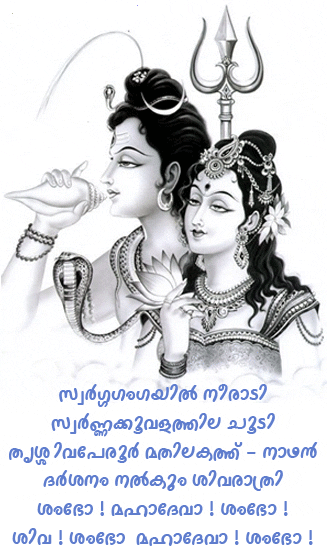
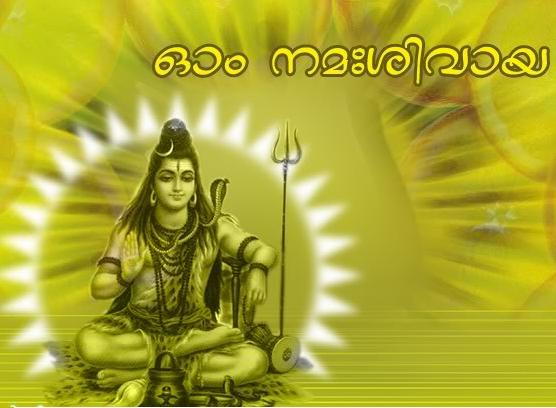
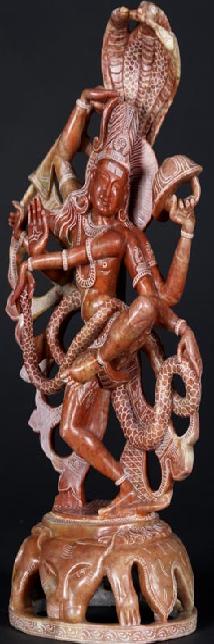
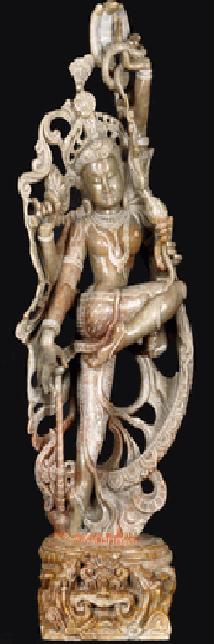
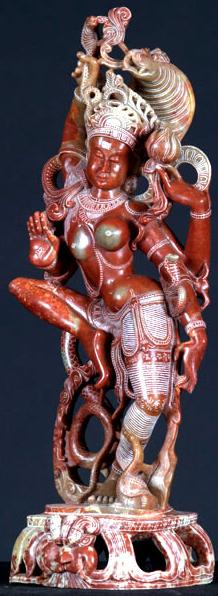
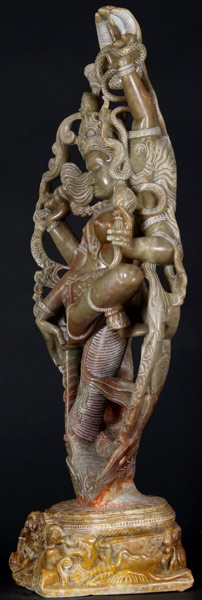
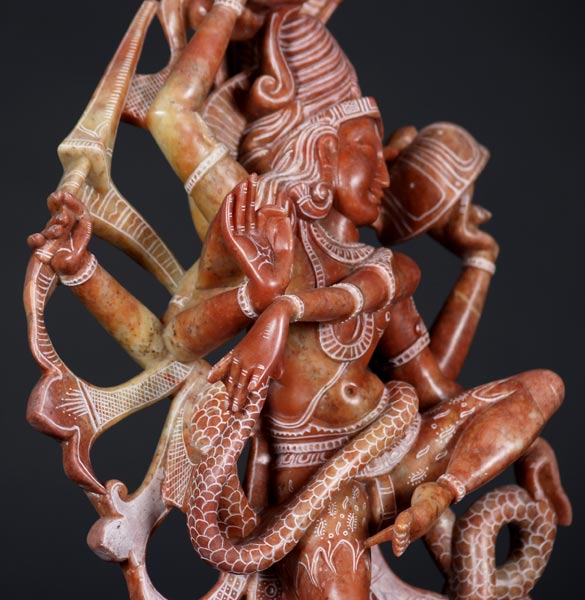
| Shiva (Sanskrit: Auspicious One), or Siva, is one of the main Deities of Hinduism, worshipped as the paramount lord by the Saivite sects of India. Shiva is one of the most complex gods of India, embodying seemingly contradictory qualities. He is the destroyer and the restorer, the great ascetic and the symbol of sensuality, the benevolent herdsman of souls and the wrathful avenger. Shiva was originally known as Rudra, a minor deity addressed only three times in the Rig Veda. He gained importance after absorbing some of the characteristics of an earlier fertility god and became Shiva, part of the trinity, or trimurti, with Vishnu and Brahma. |
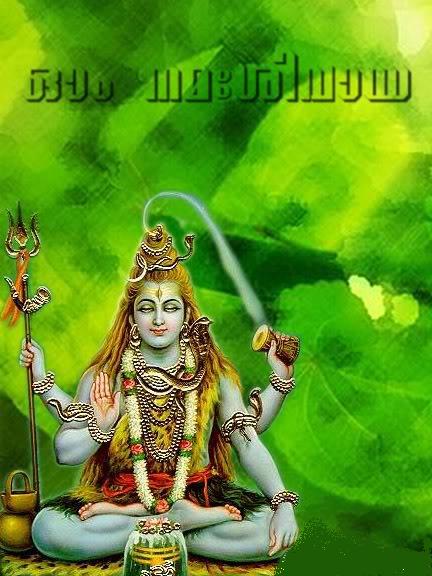
| He often holds a trident, which represents the Hindu trinity of Brahma, Shiva and Vishnu. It is also said to represent the threefold qualities of nature: creation, preservation and destruction, although preservation is usually attributed to Vishnu. As the destroyer Shiva is dark and terrible, encircled with serpents and a crown of skulls. In the pictures to the right and left Shiva wears sacred Rudraksha beads, perhaps a reference to his earlier name Rudra. |

Shiva saw not sense in the transitory pleasures of life, so he rejected samsara, smeared his body with ash, closed his eyes and performed austerities.
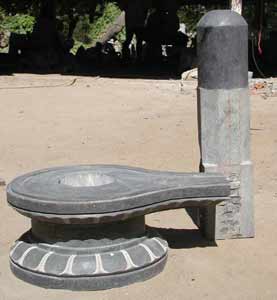
Shiva's tapas generated so much heat that his body transformed into a pillar of fire - a blazing lingam that threatened to destroy the whole world. The gods did not know how to control Shiva's fire.
Suddenly there appeared a yoni - the divine vessel of the mother-goddess. It caught the fiery lingam and contained its heat, thus saving the cosmos from untimely destruction.

| 108 Names of Lord Shiva | ||
| S No | Lord Shiva Name | Meaning |
| 1 | Aashutosh | One who fulfills wishes instantly |
| 2 | Aja | Unborn |
| 3 | Akshayaguna | God with limitless attributes |
| 4 | Anagha | Without any fault |
| 5 | Anantadrishti | Of infinite vision |
| 6 | Augadh | One who revels all the time |
| 7 | Avyayaprabhu | Imperishable Lord |
| 8 | Bhairav | Lord of terror |
| 9 | Bhalanetra | One who has an eye in the forehead |
| 10 | Bholenath | Kind hearted Lord |
| 11 | Bhooteshwara | Lord of ghosts and evil beings |
| 12 | Bhudeva | Lord of the earth |
| 13 | Bhutapala | Protector of the ghosts |
| 14 | Chandrapal | Master of the moon |
| 15 | Chandraprakash | One who has moon as a crest |
| 16 | Dayalu | Compassionate |
| 17 | Devadeva | Lord of the Lords |
| 18 | Dhanadeepa | Lord of Wealth |
| 19 | Dhyanadeep | Icon of meditation and concentration |
| 20 | Dhyutidhara | Lord of Brilliance |
| 21 | Digambara | One who has the skies as his clothes |
| 22 | Durjaneeya | Difficult to be known |
| 23 | Durjaya | Unvanquished |
| 24 | Gangadhara | Lord of River Ganga |
| 25 | Girijapati | Consort of Girija |
| 26 | Gunagrahin | Acceptor of Gunas |
| 27 | Gurudeva | Master of All |
| 28 | Hara | Remover of Sins |
| 29 | Jagadisha | Master of the Universe |
| 30 | Jaradhishamana | Redeemer from Afflictions |
| 31 | Jatin | One who has matted hair |
| 32 | Kailas | One Who Bestows Peace |
| 33 | Kailashadhipati | Lord of Mount Kailash |
| 34 | Kailashnath | Master of Mount Kailash |
| 35 | Kamalakshana | Lotus-eyed Lord |
| 36 | Kantha | Ever-Radiant |
| 37 | Kapalin | One who wears a necklace of skulls |
| 38 | Khatvangin | One who has the missile khatvangin in his hand |
| 39 | Kundalin | One who wears earrings |
| 40 | Lalataksha | One who has an eye in the forehead |
| 41 | Lingadhyaksha | Lord of the Lingas |
| 42 | Lingaraja | Lord of the Lingas |
| 43 | Lokankara | Creator of the Three Worlds |
| 44 | Lokapal | One who takes care of the world |
| 45 | Mahabuddhi | Extremely intelligent |
| 46 | Mahadeva | Greatest God |
| 47 | Mahakala | Lord of All Times |
| 48 | Mahamaya | Of great illusions |
| 49 | Mahamrityunjaya | Great victor of death |
| 50 | Mahanidhi | Great storehouse |
| 51 | Mahashaktimaya | One who has boundless energies |
| 52 | Mahayogi | Greatest of all Gods |
| 53 | Mahesha | Supreme Lord |
| 54 | Maheshwara | Lord of Gods |
| 55 | Nagabhushana | One who has serpents as ornaments |
| 56 | Nataraja | King of the art of dancing |
| 57 | Nilakantha | The one with a blue throat |
| 58 | Nityasundara | Ever beautiful |
| 59 | Nrityapriya | Lover of Dance |
| 60 | Omkara | Creator of OM |
| 61 | Palanhaar | One who protects everyone |
| 62 | Parameshwara First among all gods | First among all gods |
| 63 | Paramjyoti | Greatest splendor |
| 64 | Pashupati | Lord of all living beings |
| 65 | Pinakin | One who has a bow in his hand |
| 66 | Pranava | Originator of the syllable of OM |
| 67 | Priyabhakta | Favorite of the devotees |
| 68 | Priyadarshana | Of loving vision |
| 69 | Pushkara | One who gives nourishment |
| 70 | Pushpalochana | One who has eyes like flowers |
| 71 | Ravilochana | Having sun as the eye |
| 72 | Rudra | The terrible |
| 73 | Rudraksha | One who has eyes like Rudra |
| 74 | Sadashiva | Eternal God |
| 75 | Sanatana | Eternal Lord |
| 76 | Sarvacharya | Preceptor of All |
| 77 | Sarvashiva | Always Pure |
| 78 | Sarvatapana | Scorcher of All |
| 79 | Sarvayoni | Source of Everything |
| 80 | Sarveshwara | Lord of All Gods |
| 81 | Shambhu | Abode of Joy |
| 82 | Shankara | Giver of Joy |
| 83 | Shiva | Always Pure |
| 84 | Shoolin | One who has a trident |
| 85 | Shrikantha | Of glorious neck |
| 86 | Shrutiprakasha | Illuminator of the Vedas |
| 87 | Shuddhavigraha | One who has a pure body |
| 88 | Skandaguru | Preceptor of Skanda |
| 89 | Someshwara | Lord of All Gods |
| 90 | Sukhada | Bestower of happiness |
| 91 | Suprita | Well pleased |
| 92 | Suragana | Having Gods as attendants |
| 93 | Sureshwara | Lord of All Gods |
| 94 | Swayambhu | Self-Manifested |
| 95 | Tejaswani | One who spreads illumination |
| 96 | Trilochana | Three-Eyed Lord |
| 97 | Trilokpati | Master of all the Three Worlds |
| 98 | Tripurari | Enemy of Tripura |
| 99 | Trishoolin | One who has a trident in his hands |
| 100 | Umapati | Consort of Uma |
| 101 | Vachaspati | Lord of Speech |
| 102 | Vajrahasta | One who has a thunderbolt in his hands |
| 103 | Varada | Granter of Boons |
| 104 | Vedakarta | Originator of the Vedas |
| 105 | Veerabhadra | Supreme Lord of the Nether World |
| 106 | Vishalaksha | Wide-eyed Lord |
| 107 | Vishveshwara | Lord of the Universe |
| 108 | Vrishavahana | One who has bull as his vehicle |